AI VFX Videos for TikTok: Trend Breakdown and Creator Playbook
AI VFX videos are becoming a go-to format for TikTok and Reels creators who want eye-catching edits without a full post-production setup. Here is how the trend works, why it spreads, and how to use it smarter with Movi AI.

By Movi AI Team
Movi AI Editorial Team
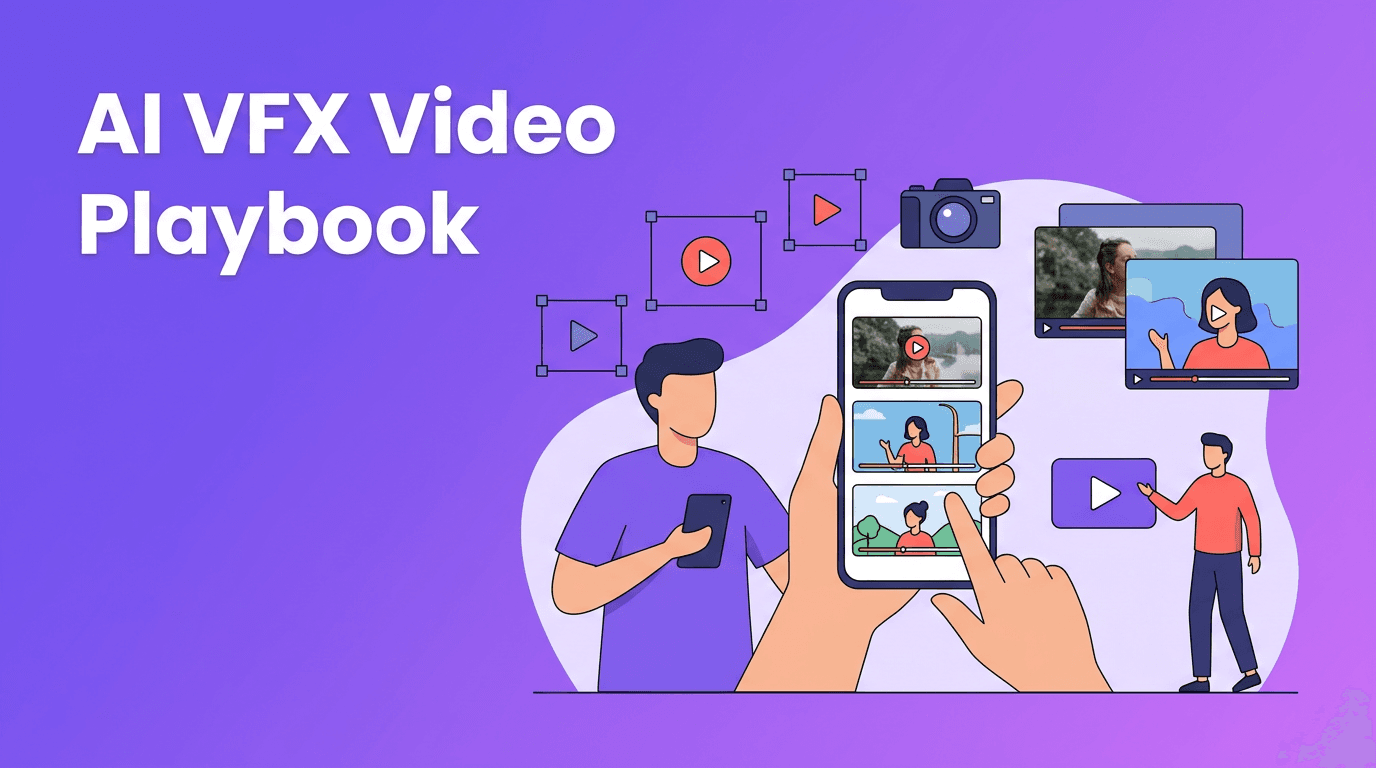
AI VFX videos are having a moment because they compress spectacle into a few seconds. For TikTok creators and Reels editors, that means more visual payoff, stronger hooks, and a better chance of stopping the scroll without a huge production budget.
Why AI VFX videos are trending now
Short-form platforms reward content that delivers a fast surprise. That is exactly where AI VFX videos shine. Instead of relying on one filter, creators are building mini transformation stories, dreamlike scene shifts, object reveals, and impossible camera moments that feel custom-made for loopable social content.
- Instant visual change gives viewers a reason to watch the first second again.
- Transformation storytelling works well for fashion, fitness, music, beauty, and creator branding.
- Template-free originality helps videos feel less generic than standard app effects.
- Cross-platform performance is strong because the same concept often works on TikTok, Reels, and Shorts.
How these effects actually work
Most viral AI video looks are powered by a few core systems. First, models analyze the source video or image for faces, body position, objects, depth, and motion. Then they generate or modify frames based on a prompt, reference image, or style instruction. Finally, motion consistency tools try to keep the output stable from frame to frame so the clip feels usable instead of glitchy.
The main technical layers behind the effect
- Subject detection identifies faces, bodies, hair, clothing, and foreground objects.
- Pose and motion tracking follows how a person moves, which helps preserve gestures and rhythm.
- Generative frame synthesis creates new visuals that match the prompt or chosen look.
- Temporal consistency reduces flicker between frames so the result feels smoother.
- Audio or speech alignment can guide mouth movement, timing, or beat-based transitions in some workflows.
"The best short-form effects do not just look impressive. They create a clear before-and-after moment people instantly understand."
Trending AI VFX video formats creators should test
1. Outfit and identity transformations
This format starts with a normal selfie or walking clip, then shifts into a new persona, era, or aesthetic. It works because the viewer immediately recognizes the change. Use it for fashion reveals, character concepts, album promo visuals, or niche creator branding.
2. Scene expansion and cinematic world-building
Creators are using simple room shots or static portraits as a starting point, then expanding them into dramatic worlds. Think city rooftop, fantasy hallway, stormy concert stage, or surreal dream sequence. This works best when the opening frame is clean and the prompt is specific.
3. Product magic shots
A product on a desk can become a floating hero object with dramatic movement and environmental changes. Small businesses and affiliate creators like this style because it makes low-budget product content feel premium.
4. Music-driven visual drops
These clips use a beat drop as the exact moment of transformation. The effect does not need to be complicated. What matters is timing. A simple switch from raw footage to an AI-generated cinematic version can outperform a messy multi-effect edit.
How to create stronger AI VFX videos with Movi AI
*Movi AI* gives creators multiple ways to build this style of content, including text-to-video, image-to-video, video-to-video, and speech-to-video workflows. That matters because different trends need different starting points. Some ideas work from a prompt alone, while others need a selfie, a product shot, or an existing clip to transform.
- Start with video-to-video when you already have a strong performance and want to restyle it.
- Use image-to-video for character reveals, poster animations, and fantasy identity concepts.
- Try text-to-video for abstract scenes, transitions, and B-roll style inserts.
- Use speech-to-video when voice, narration, or dialogue timing is part of the hook.
Try Movi AI for your next short-form edit
Create scroll-stopping AI transformations, cinematic clips, and stylized social videos from prompts, photos, or footage in one app.
Download Movi AIBest practices that make the effect look better
- Use a clear subject in the first frame. Busy backgrounds often confuse the model.
- Keep movements simple and readable if you plan to transform a live-action clip.
- Write prompts with specific nouns and actions, not vague mood words only.
- Test short clips first. A strong 5-second result is more useful than a weak 20-second one.
- Edit for the hook moment. Put the transformation in the first 1 to 2 seconds when possible.
- Match the effect to the content niche so it supports the message instead of distracting from it.
Common mistakes creators make
A lot of failed social AI content has the same problems. The idea is too broad, the source clip is too messy, or the transformation does not connect to the audience. The best-performing AI VFX videos usually have one simple concept, one clear reveal, and one emotional payoff, such as surprise, aspiration, humor, or curiosity.
Ethics, consent, and creator safety
AI effects are fun, but creators should use them responsibly. Do not transform someone else's face, voice, or likeness without permission. Avoid misleading edits that could be mistaken for real events or endorsements. If you are making sponsored content, be transparent about what was generated. Responsible use protects both your audience trust and your brand.
Final take
The reason AI VFX videos keep spreading is simple. They turn ordinary footage into a visual event. For creators on TikTok and Instagram, that means more ways to stand out, tell a story fast, and test fresh concepts without a studio setup. If you focus on strong hooks, clean source material, and ethical use, this format can become a real part of your repeatable content system.
Frequently Asked Questions
What are AI VFX videos?
AI VFX videos are short clips that use generative AI to transform footage, add stylized scenes, or create cinematic visual changes from prompts, images, or existing video.
How do creators make AI VFX videos for TikTok?
Many creators start with a selfie, product shot, or short performance clip, then use AI tools to restyle or transform it and edit the reveal around a beat drop or hook.
Do AI VFX videos perform well on Instagram Reels?
Yes, especially when the video has a fast transformation, clear before-and-after concept, and a niche-specific idea that viewers instantly understand.
Is it safe to use AI-generated effects on real people?
It can be, but only when you have consent and avoid misleading or harmful uses. Responsible creator practices matter.
Movi AICreate stunning AI videos in seconds!
Turn your ideas into professional videos with the #1 AI video maker.
Download Movi AI